Strategies for Profitable Desi Cow Farming - Profitable Cow Farming Tips
- junaid817114
- Apr 27
- 4 min read
Desi cow farming is a rewarding venture that can bring steady income and improve rural livelihoods. With the right strategies, you can make your desi cow farm profitable and sustainable. I want to share practical tips and insights that will help you boost milk production, reduce costs, and increase your earnings. Whether you are starting small or expanding your existing farm, these strategies will guide you step-by-step.
Profitable Cow Farming Tips for Desi Cows
To run a profitable desi cow farm, focus on these key areas:
Choosing the right breed: Select healthy, high-yielding desi cows suited to your local climate and feed availability.
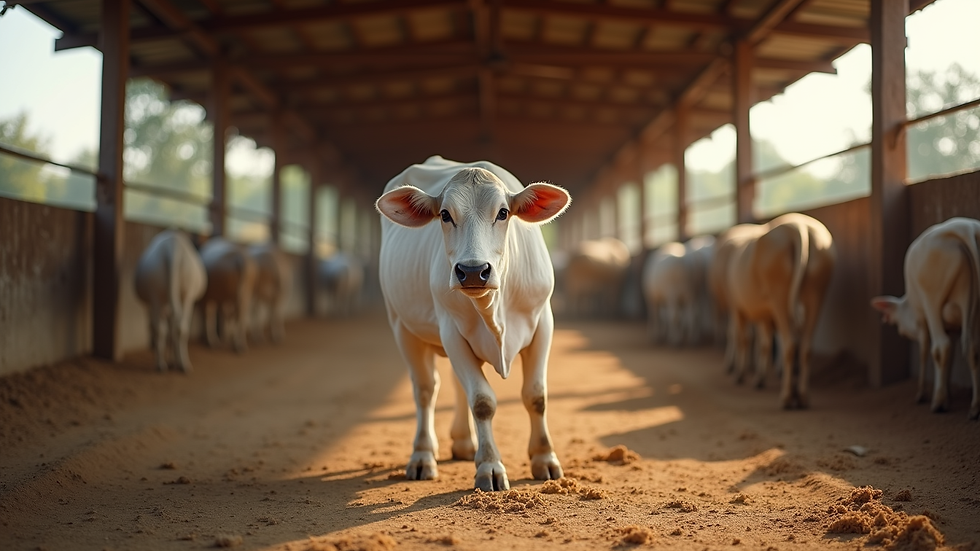
Proper housing: Build simple, clean, and well-ventilated sheds to keep cows comfortable and disease-free.
Balanced feeding: Provide nutritious fodder, green grass, and supplements to improve milk yield.
Health care: Regular vaccination, deworming, and timely treatment prevent diseases and losses.
Record keeping: Track milk production, breeding cycles, and expenses to make informed decisions.
For example, I recommend starting with hardy breeds like Gir, Sahiwal, or Red Sindhi. These cows adapt well to Indian village conditions and produce good quality milk. Keep the shed dry and airy to avoid infections. Feeding should include a mix of dry fodder, green fodder, and concentrate feed. This balance helps cows stay healthy and produce more milk.

Feeding Strategies to Maximise Milk Production
Feeding is the backbone of profitable desi cow farming. Milk production depends heavily on what and how you feed your cows. Here are some feeding tips that work well:
Green fodder: Provide fresh grass or legume fodder daily. It is rich in nutrients and improves milk quality.
Dry fodder: Use crop residues like wheat straw or maize stalks to fill the bulk of the diet.
Concentrates: Add grains like maize, barley, or oilseed cakes to increase energy intake.
Minerals and vitamins: Use mineral mixtures and salt licks to prevent deficiencies.
Clean water: Always provide fresh and clean water to keep cows hydrated.
Feeding cows twice a day with a balanced diet can increase milk yield by 20-30%. For example, a cow fed with 10 kg green fodder, 3 kg dry fodder, and 1 kg concentrate can produce 6-8 litres of milk daily. Avoid sudden changes in diet to prevent digestive problems.
How much money will 10 cows make?
Understanding the income potential from 10 desi cows helps plan your investment and expenses. Let’s break down the earnings and costs:
Milk production: On average, one desi cow produces 6 litres of milk per day.
Total milk: 10 cows x 6 litres = 60 litres daily.
Milk price: Assuming ₹40 per litre, daily income = 60 x 40 = ₹2400.
Monthly income: ₹2400 x 30 = ₹72,000.
Now, consider the monthly expenses:
Feed and fodder: ₹20,000
Veterinary care: ₹3,000
Labour and maintenance: ₹5,000
Miscellaneous: ₹2,000
Total expenses = ₹30,000
Net monthly profit = ₹72,000 - ₹30,000 = ₹42,000
This example shows that with proper management, 10 desi cows can generate a good income. Profit can increase further by selling cow dung as manure or breeding services.

Health Management for Profitable Farming
Healthy cows produce more milk and live longer. Here are some health management tips:
Vaccination: Follow a vaccination schedule against common diseases like Foot and Mouth Disease (FMD) and Hemorrhagic Septicemia.
Deworming: Deworm cows every 6 months to prevent internal parasites.
Clean environment: Keep the shed clean and dry to avoid infections.
Regular check-ups: Monitor cows for signs of illness and consult a vet promptly.
Breeding management: Use artificial insemination or select healthy bulls for breeding to improve herd quality.
By preventing diseases, you reduce veterinary costs and avoid production losses. Healthy cows also have better fertility and calving rates, which means more milk and calves.
Marketing and Value Addition for Better Profits
Selling milk is not the only way to earn from desi cow farming. Consider these options to increase your income:
Direct milk sales: Sell fresh milk to neighbours or local markets for better prices.
Milk products: Make ghee, curd, paneer, or butter to add value and extend shelf life.
Cow dung: Sell dried cow dung cakes or organic manure to farmers.
Breeding services: Offer bull services or sell calves to other farmers.
Cooperative societies: Join dairy cooperatives to get better market access and support.
Marketing your products well and diversifying income sources can make your farm more profitable and stable.
Taking the Next Step in Your Farming Journey
Starting or improving your desi cow farm requires dedication and knowledge. Use this profitable desi cow farming guide to deepen your understanding and apply best practices. Remember, success comes from consistent care, smart feeding, and good management.
By following these strategies, you can increase milk production, reduce costs, and boost your income. Your farm can become a model of profitable cow farming in your village. Keep learning, stay patient, and watch your desi cow farming business grow steadily.
I hope these tips help you build a thriving desi cow farm. With the right approach, you can turn your passion into a profitable and sustainable livelihood. Happy farming!


Comments