Crafting a Successful Village Dairy Startup Plan
- junaid817114
- Mar 9
- 4 min read
Starting a dairy business in a village can be a rewarding venture. It offers a steady income and supports the local economy. However, success depends on careful planning and smart decisions. I will guide you through the essential steps to craft a successful village dairy startup plan. This plan will help you improve milk production, manage your resources well, and increase your profits.
Understanding the Village Dairy Startup Plan
A village dairy startup plan is a roadmap for your dairy business. It outlines your goals, resources, and strategies. This plan helps you stay focused and organized. It also prepares you for challenges and opportunities.
To create a strong plan, start by assessing your current situation. Consider the land you have, the number of cows you want, and your budget. Think about the market demand for milk and dairy products in your area. Knowing these details will help you make informed decisions.
Next, set clear goals. For example, you might want to produce a certain amount of milk each month or increase your herd size over time. Write down these goals and the steps you will take to achieve them.
A good plan also includes a budget. List all your expected expenses, such as buying cows, feed, equipment, and veterinary care. Compare this with your expected income from selling milk and other products. This will help you see if your business is financially viable.
Remember, a village dairy startup plan is not just about numbers. It also covers how you will manage your cows, maintain hygiene, and ensure quality milk production. These factors are crucial for long-term success.
Key Components of a Village Dairy Startup Plan
When crafting your plan, focus on these key components:
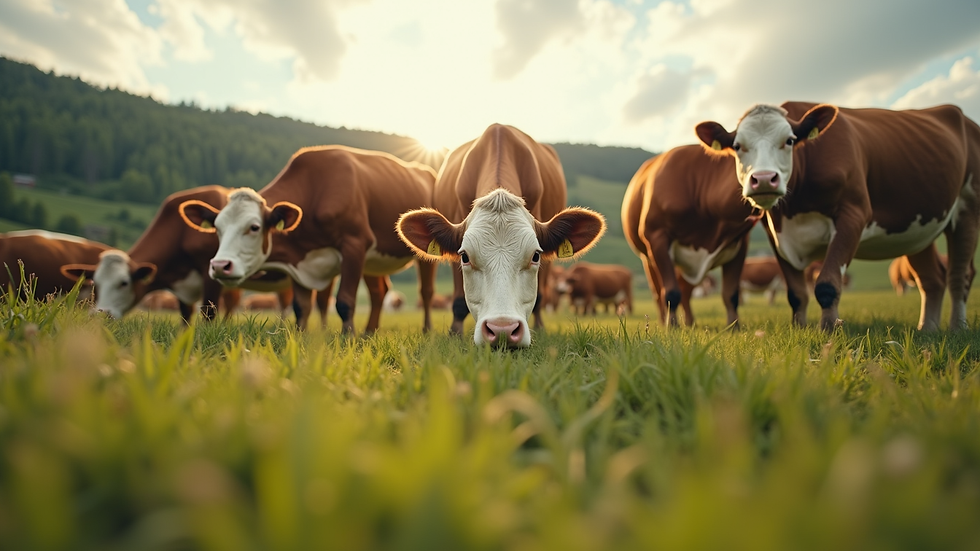
Selection of Cows
Choose healthy cows that are suitable for your climate and milk production goals. Local breeds may be more resistant to diseases and easier to manage.
Feeding and Nutrition
Proper feeding is vital. Provide balanced nutrition with green fodder, dry fodder, and concentrates. Good nutrition increases milk yield and keeps cows healthy.
Housing and Shelter
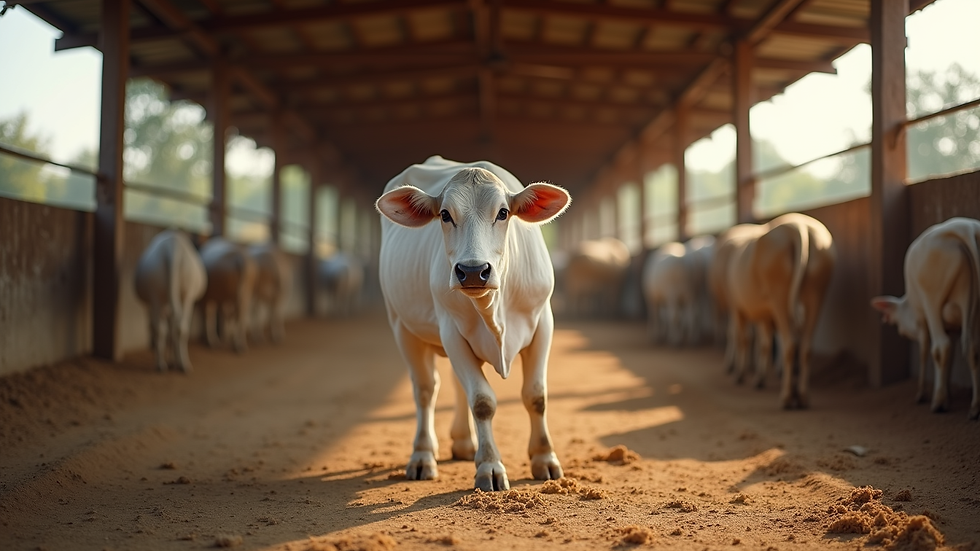
Build clean, well-ventilated shelters to protect cows from extreme weather. Proper housing reduces stress and improves milk quality.
Health Care and Hygiene
Regular check-ups and vaccinations prevent diseases. Maintain cleanliness in the shed and milking area to avoid contamination.
Milking Practices
Use hygienic milking methods. Train workers or family members on proper milking techniques to ensure milk quality.
Record Keeping
Keep detailed records of milk production, expenses, and health treatments. This helps track progress and make better decisions.
Marketing and Sales
Identify your buyers - local markets, milk cooperatives, or direct consumers. Plan how to deliver fresh milk regularly.
By focusing on these areas, you can build a strong foundation for your dairy business.
How many acres do you need for 20 cows?
Land is a critical resource for dairy farming. The amount of land you need depends on the number of cows and the type of feeding system you use.
For 20 cows, you generally need about 10 to 15 acres of land. This includes space for grazing, growing fodder, and housing. If you plan to rely mostly on grazing, more land is necessary. However, if you use stall feeding with purchased fodder, you can manage with less land.
Here is a simple breakdown:
Grazing land: 0.5 to 1 acre per cow
Fodder cultivation: 5 to 7 acres for green and dry fodder
Housing and infrastructure: 1 to 2 acres
Make sure the land has access to clean water and is suitable for growing fodder crops like maize, sorghum, and grasses. Proper land management ensures your cows get enough nutrition and stay healthy.

Practical Tips for Managing Your Village Dairy Business
Managing a dairy farm requires daily attention and care. Here are some practical tips to help you run your business smoothly:
Feed on time: Feed your cows twice or thrice daily. Consistent feeding improves milk yield.
Clean water: Provide fresh and clean water at all times. Water is essential for milk production.
Regular health checks: Work with a local vet to keep your cows healthy. Early detection of illness saves costs.
Milking hygiene: Wash your hands and clean the udder before milking. Use clean containers to collect milk.
Use technology: Simple tools like milk meters and record books help track production and expenses.
Train your team: If you have helpers, train them on best practices for feeding, milking, and cleaning.
Plan for emergencies: Keep a first aid kit and have a plan for sudden health issues or natural disasters.
By following these tips, you can maintain a healthy herd and produce high-quality milk.
Using the Gaon Dairy Guide Business Plan for Success
To make your village dairy startup plan even better, consider using resources like the gaon dairy guide business plan. This guide offers detailed information tailored for village dairy farmers. It covers everything from selecting cows to marketing milk.
The guide helps you understand the financial aspects and provides templates for record keeping. It also shares success stories and practical advice from experienced farmers. Using such a guide can save you time and reduce mistakes.
Remember, knowledge is power. The more you learn about dairy farming, the better your chances of success.
Growing Your Dairy Business Over Time
Starting with 20 cows is a good beginning. As you gain experience and increase your income, you can expand your herd and improve your facilities.
Here are some ways to grow your dairy business:
Increase herd size: Add more cows gradually, ensuring you have enough land and resources.
Improve breeds: Introduce high-yielding breeds or crossbreeds for better milk production.
Diversify products: Consider making ghee, yogurt, or paneer to add value.
Build partnerships: Join local milk cooperatives or form groups with other farmers for better market access.
Invest in equipment: Use milking machines, cooling tanks, and transport vehicles to improve efficiency.
Growth requires planning and investment, but it leads to higher profits and stability.
Crafting a successful village dairy startup plan is a journey. It takes patience, learning, and hard work. By focusing on good practices, managing resources wisely, and using helpful guides, you can build a thriving dairy business. Your efforts will not only improve your income but also support your community’s well-being. Keep your goals clear, stay committed, and watch your dairy farm flourish.

Comments